
How to Identify and Address Potential Issues
Water heater corrosion is a common issue that can lead to significant problems if not addressed promptly. When your water heater starts showing signs of corrosion, it might affect its performance and shorten its lifespan. Knowing these signs can help you take timely action to prevent costly repairs or replacements. This guide will explore the various indicators of water heater corrosion and offer solutions to address them efficiently.
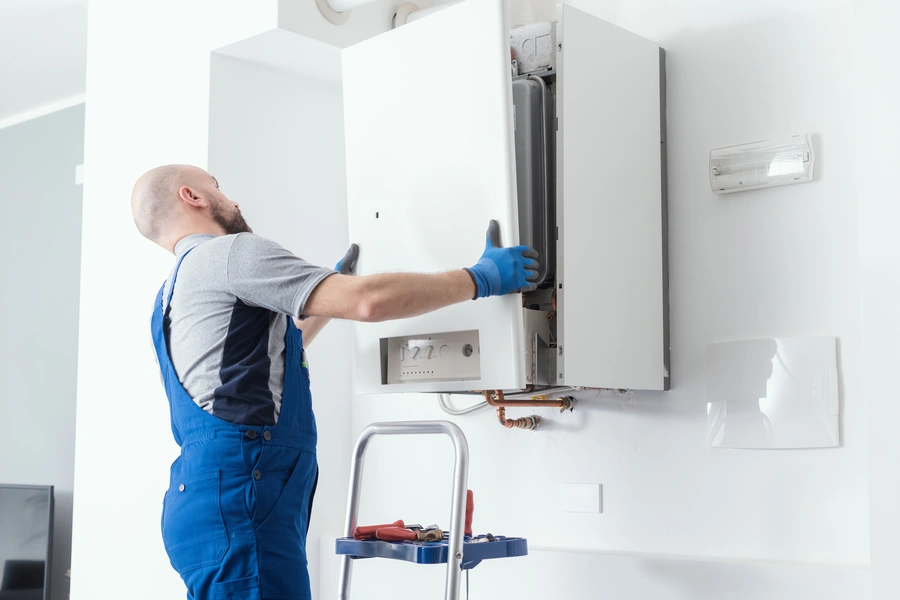
Visible Rust on the Tank
If you notice rust on the outside of your water heater tank, it’s a clear indication of possible internal corrosion. Rust suggests that the metal components are breaking down due to exposure to water over time. Regular inspections and preventive maintenance can help catch rust early and avoid more severe damage.
Discolored Hot Water
When hot water from your faucets appears reddish or brownish, it could signal corrosion inside the tank. This discoloration happens when rust particles mix with the water supply. At this point, considering professional water heater repair might be crucial to assess and fix any underlying issues before they worsen.
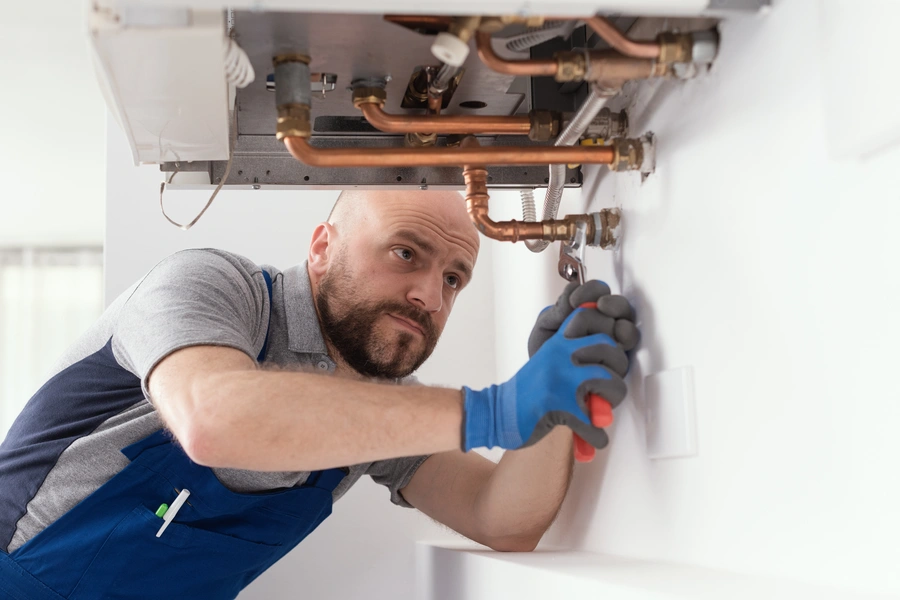
Strange Tasting or Smelling Water
Corroded tanks may also cause your water to have an unusual taste or smell. If you detect a metallic taste or a sulfur-like odor, it could mean there’s an ongoing reaction within the heater’s inner walls. Seeking water heater repair at this stage ensures long-term safety and quality of your household water.
Leaks Around the Base of the Heater
A leaking water heater is often one of the most evident signs of corrosion. Leaks usually occur when rust eats through the metal, creating holes or weak spots in the tank. Regularly checking for moisture around the base can alert you to leaks early on. Prompt action can prevent extensive water damage to surrounding areas.
Loud Noises During Operation
Unexpected noises such as rumbling, popping, or banging when the heater is in use might indicate sediment build-up inside the tank. As sediments accumulate, they cause the heating elements to work harder, leading to wear and potential corrosion. Flushing the tank periodically helps maintain efficiency and reduces noise-related concerns.
Decreased Efficiency and Increased Heating Bills
Corrosion affects a water heater’s ability to function efficiently. If you’ve noticed a spike in your utility bills without any change in usage patterns, it could be due to corrosion forcing the system to work overtime. Analyzing energy costs alongside regular heater checks can highlight efficiency drops linked to corrosion.
Protecting Your Water Heater From Corrosion
Preventive measures are essential to protect your water heater from corrosion. Here are some steps you can take:
- Install a sacrificial anode rod that attracts corrosive agents away from the tank.
- Regularly flush the tank to remove sediment build-up.
- Conduct annual inspections by certified professionals.
- Consider adding a water softener if hard water is prevalent in your area.
Act Now to Ensure Longevity
Understanding the signs of water heater corrosion allows homeowners to act quickly, avoiding more serious problems down the line. For expert advice and service tailored to prolong your water heater’s life, contact G&B Plumbing today at (561) 295-8377. Our dedicated team based in Boynton Beach, FL offers comprehensive solutions designed to enhance efficiency and reliability.